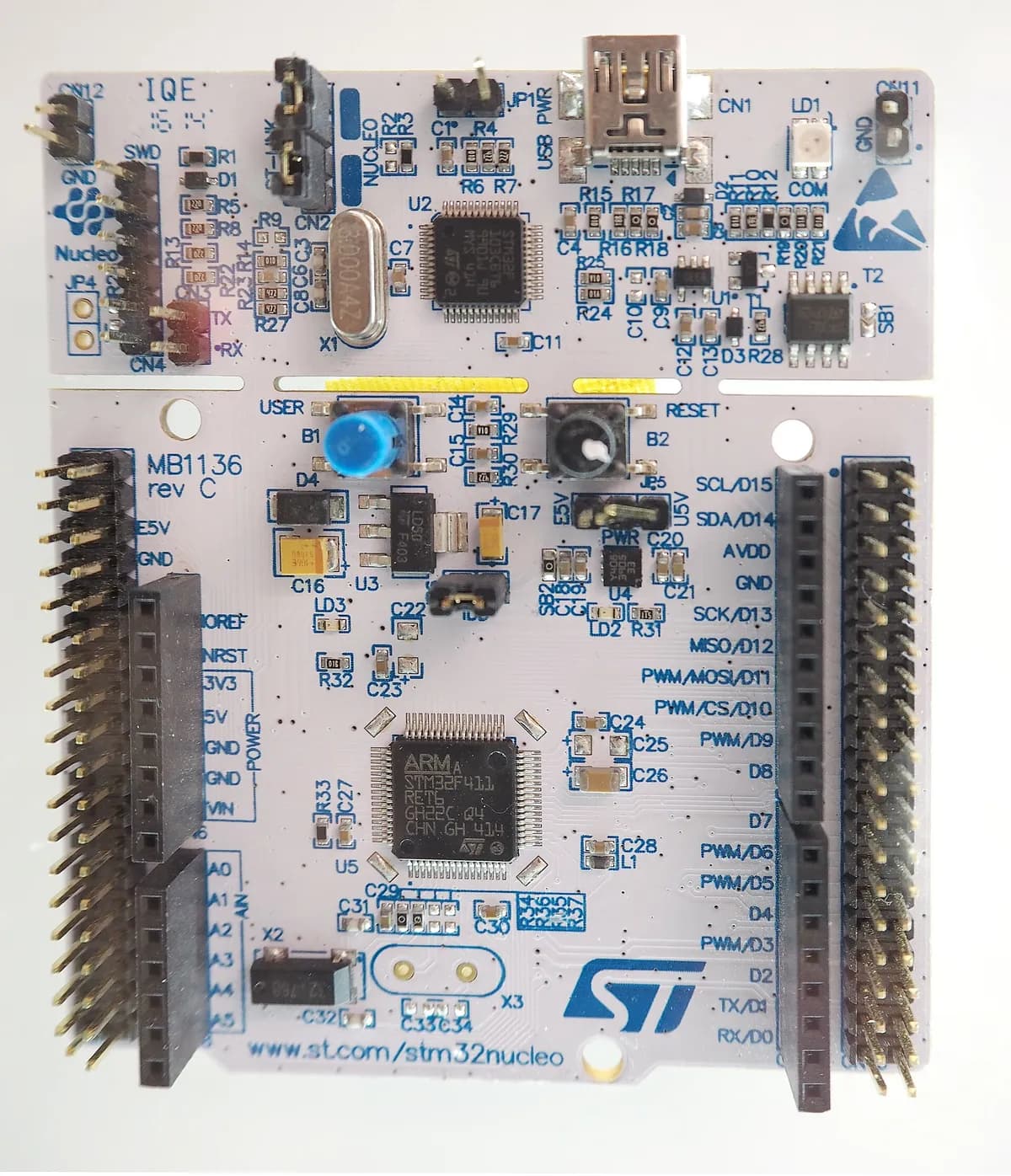
Microcontrollers
ESP32 and STM32 boards on the desk, for the jobs a phone can't do: small firmware, sensors, and getting two pieces of hardware to talk.
I build Android from the board up: kernels, bring-up, and the software behind an electric scooter.
Write to meMost of my work happens before anyone sees a screen.
I'm an AOSP developer. I bring Android up on new hardware: the kernel and its drivers, the board support package, the SELinux policy, and the services that have to be running before the first frame is drawn.
At Simple Energy that hardware is an electric scooter. I work on both AOSP and Android Automotive: the HMI riders look at, the diagnostics apps and tools behind it, and the CAN and UDS traffic, proprietary protocols included, that ties it to the rest of the vehicle.
Outside work I maintain devices for Paranoid Android, try new features on my own fork, take hardware apart, and write down what I learn so I only have to learn it once. Read the boot notes
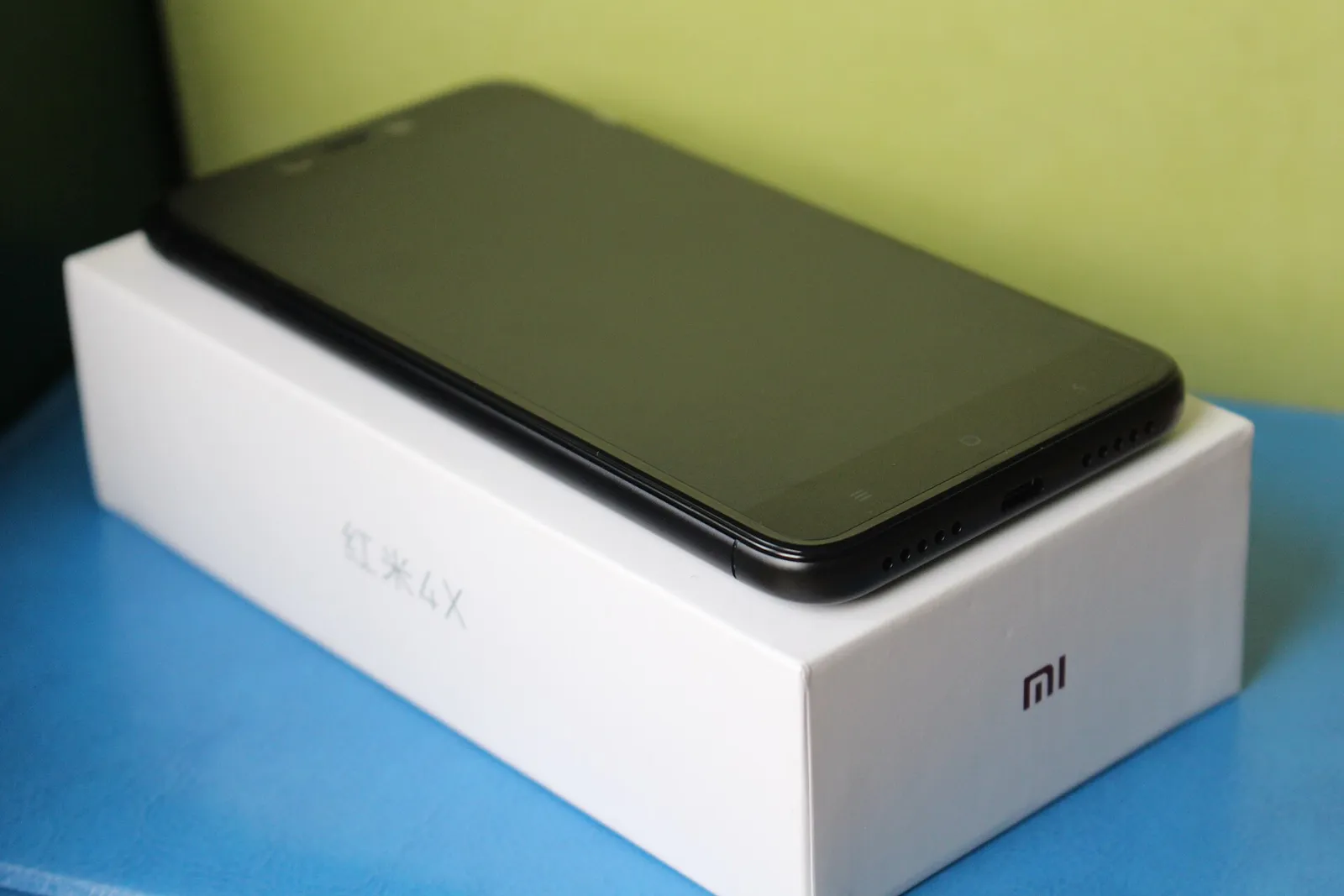
2025 to now
In the Vehicle Software team, on both AOSP and Android Automotive (AAOS): the HMI riders see, the diagnostics apps and tools behind it, and the CAN and UDS protocols underneath, proprietary ones included. Sonic Performer of the Year, 2025.
2022 to 2025
An Android-based OS for AR glasses. Kernel drivers for the touchpad, battery, magnetometer and display bridge, a HAL to carry touchpad gestures into the framework, and platform moves from SM8250 to QCM8550 across Android 11 to 15.
2019 to now
Frameworks, features and full device bring-up, from the Redmi 7 and the Redmi Note 9 range to the Nothing Phone (1), and reviews for the developers who come after.
2018 to 2022
The custom ROM I started, with an interface inspired by OxygenOS: built on CAF sources for Android 9, then on AOSP for Android 11.
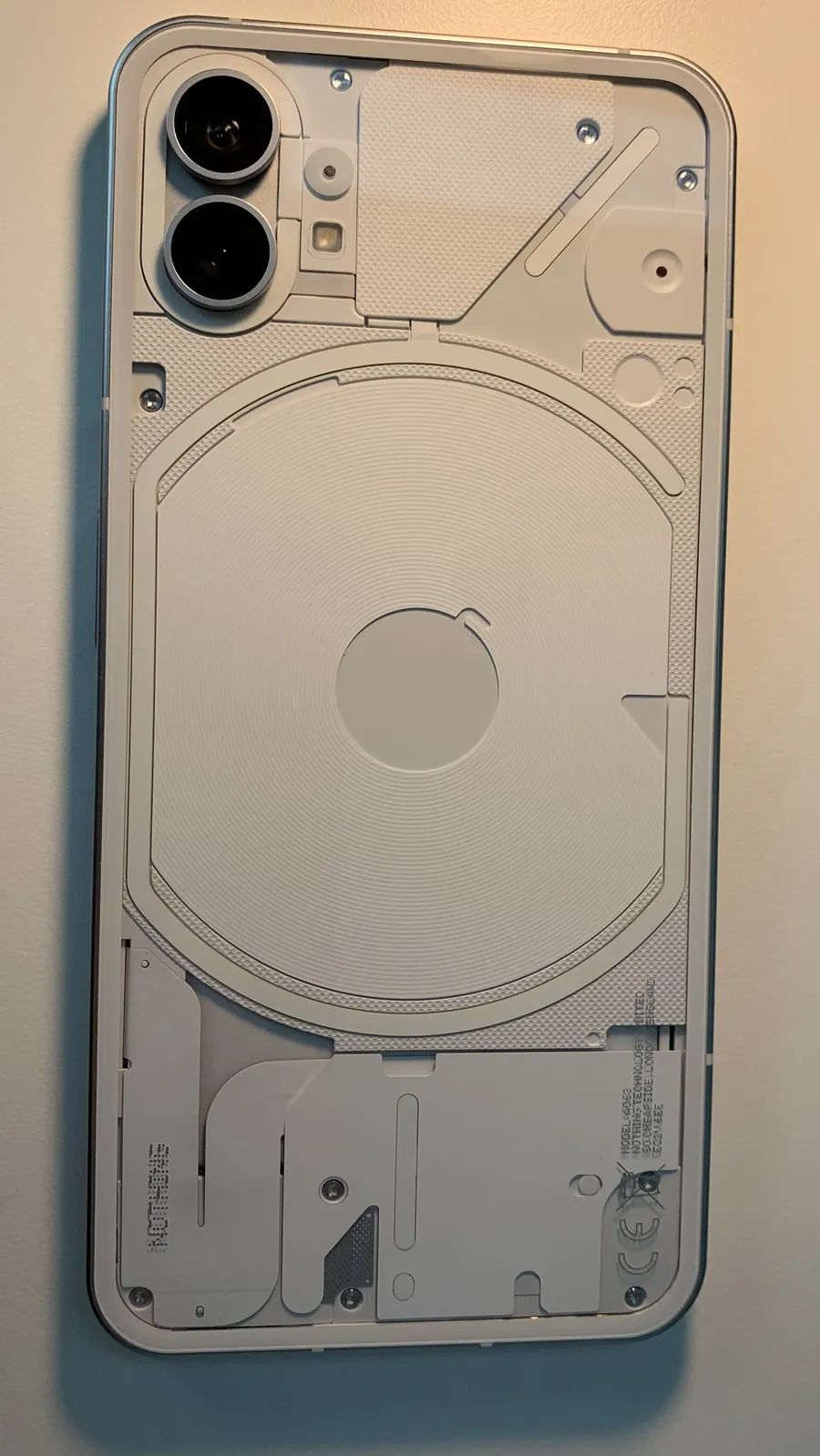
What I take apart when nobody is asking: phones, boards, and the parts of them nobody wrote down.
My playground fork of Paranoid Android. Ideas start here, and the ones that hold up go upstream. Right now that means the Nothing Phone (1): its Glyph lights, a charging meter on the back, and the updater that installs new builds.
ESP32 and STM32 boards on the desk, for the jobs a phone can't do: small firmware, sensors, and getting two pieces of hardware to talk.
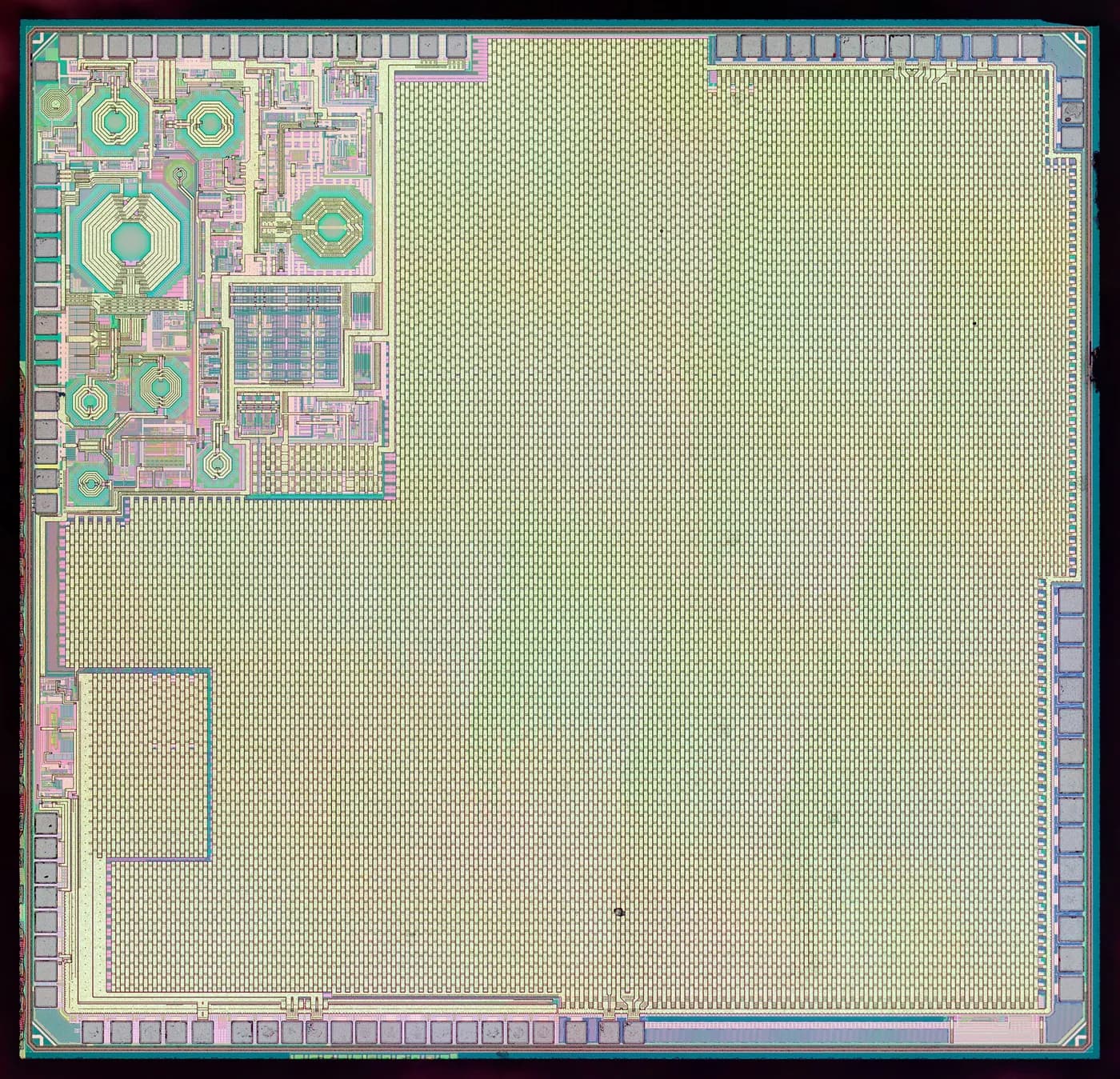
Reading what was never documented: proprietary protocols, vendor blobs and firmware, until the behaviour makes sense and can be rebuilt.
I started on Snapdragon 430 and 435 phones, the MSM8937 and MSM8940, building kernels and ROMs for whatever I could get my hands on. WaveOS grew out of that in 2018, and a year later I joined Paranoid Android. Making a device start is still the best way I know to learn a system.
This year I taught rsbinder, a Rust library for Binder, to speak Android 10, so one Rust service could run on every version from 10 to 16. There was no documentation, only AOSP source, and I sent it upstream rather than keep it internal. It is the kind of work I like most: small, exact, and shared.
Outside work, the thing I'm proudest of is dmt, a music player for Android that looks like a terminal, because music got me through a lot and I wanted to say thanks in the language I know.
If you are building something on Android that has to start fast, run on very little, or talk to a vehicle, I would like to hear about it.
Jyotiraditya Panda
AOSP developer, Bengaluru
A board that won't boot, or a dashboard that has to be up before the rider is: write to me.